
6 Tips for Using CPAP Masks with Beards, Moustaches & More
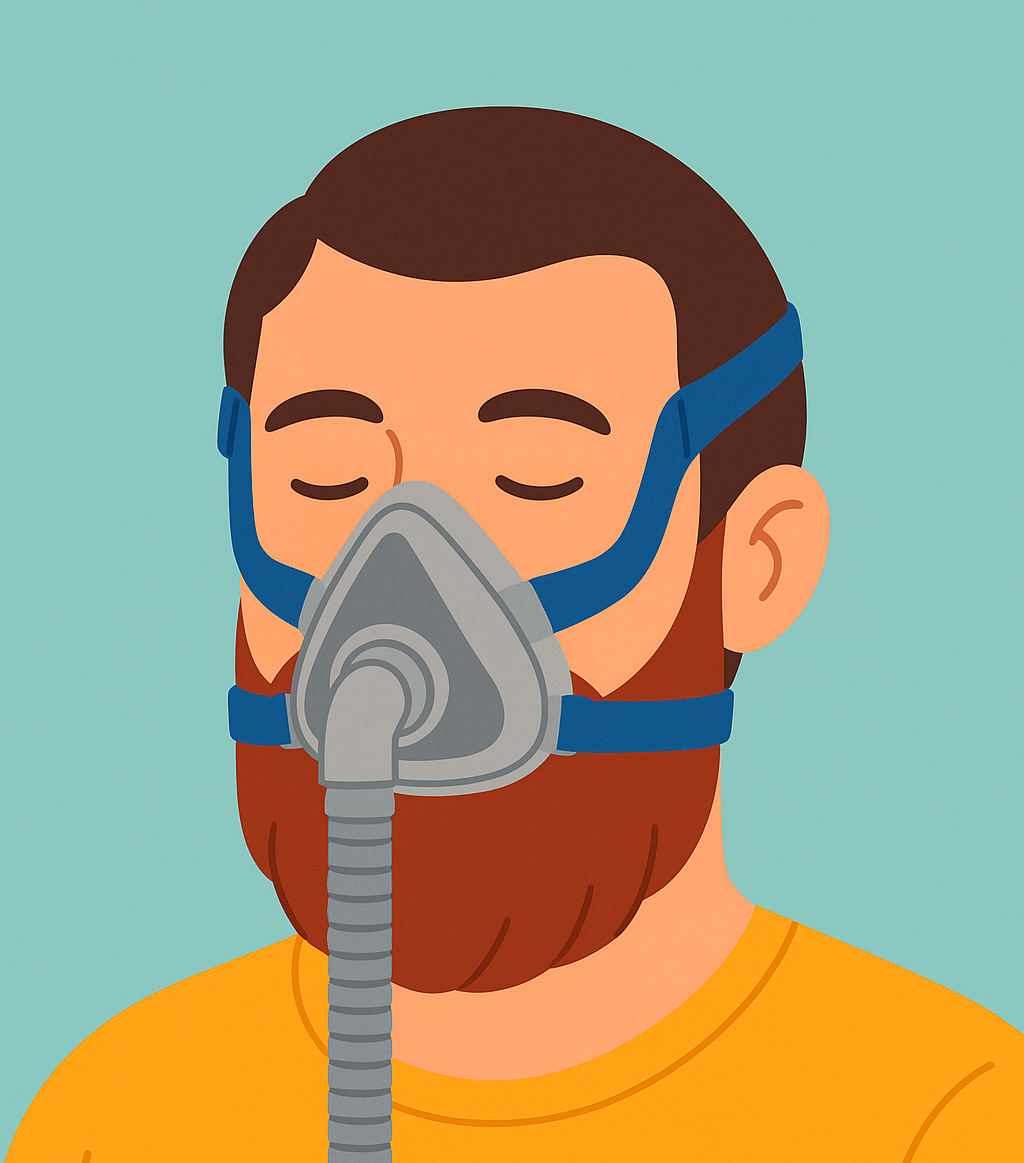
6 Tips for Using CPAP Masks with Beards, Moustaches & More
Facial hair doesn’t have to stand between you and a great night’s sleep.
If you use CPAP therapy and sport a beard, moustache, or even a little stubble, you may notice challenges like air leaks or an inconsistent seal.
The good news? With the right approach and equipment, you can keep your therapy effective and comfortable.
Here are six practical tips to help CPAP users with facial hair maintain a reliable seal and enjoy better quality rest.
1. Choose a Mask Designed for Facial Hair
Not every mask is created equal when it comes to beards and moustaches.
Look for CPAP masks with larger or more adaptive cushions, such as memory foam or silicone designs, that contour around facial hair without losing their seal.
Full face masks like the ResMed AirTouch F20 or Fisher & Paykel Vitera are often recommended because they can handle slightly uneven surfaces while maintaining comfort and performance.
💡 Pro tip: The goal is a snug but gentle fit—tight enough to seal, yet loose enough to avoid irritation and pressure marks.
2. Keep Facial Hair Neatly Trimmed
The longer and thicker the beard or moustache, the harder it is for any mask to seal properly.
Even a light trim around the nose and mouth area can make a big difference.
- Maintain a regular grooming routine to prevent stray hairs from breaking the cushion seal.
- Use beard oil sparingly (and never right before bedtime) to avoid adding slickness that can compromise the fit.
3. Clean Your Face Before Bed
Natural oils and daily buildup can weaken a mask’s grip.
A quick cleanse each night helps your mask’s cushion stick properly and stay fresh.
- Use a mild, fragrance-free cleanser that won’t dry out skin or beard.
- Make sure the skin and hair are fully dry before you fit the mask.
This simple step pays off with fewer leaks and less skin irritation.
4. Adjust Your Humidification
CPAP therapy can sometimes dry out nasal passages and the throat—a problem that facial hair can make more noticeable.
Increasing your machine’s humidification level can help add moisture and relieve dryness.
Not sure how to adjust your humidifier?
Check your CPAP manual or reach out to our team—we’re happy to guide you through the settings.
6. Use a Chin Strap if Needed
If leaks persist around the chin area—especially common with thicker beards—a chin strap can help.
It gently keeps your mouth closed, improving seal and pressure consistency throughout the night.
Choose a comfortable, adjustable model so you can maintain therapy without extra pressure or irritation.
Product Picks for Bearded CPAP Users
These masks and accessories are particularly well-suited for those with facial hair:
- ResMed AirTouch F20 – Memory foam cushion adapts easily to facial contours.
- Fisher & Paykel Vitera – Breathable fabric and adaptable frame minimise leaks.
- Chin straps – Small add-ons that make a big difference for seal and comfort.
Adding these to your setup can turn a challenging seal into a stress-free night of therapy.
Extra Care and Maintenance Tips
- Daily wipe-down – A quick clean of the cushion with CPAP wipes keeps oils at bay.
- Weekly deep clean – Soak mask parts in warm soapy water and let them air dry.
- Regular replacements – Replace cushions every 2–4 weeks and headgear every 6–12 months for best performance.
Breathe Easy—Beard and All
A beard or moustache doesn’t mean you need to compromise on CPAP therapy.
With the right mask, good grooming habits, and a few smart accessories, you can keep your treatment consistent and effective every night.
Explore our full range of CPAP masks and accessories to find a combination that works perfectly with your style.